
"colonial cafés"
158 article(s) found

The cultivation of boutique coffee beans in San Pedro Manor, Puerto Rico, with full flavor, geographical location and climate.
Of course, Yaoke coffee is inseparable from the hard work of those coffee workers, who manage the whole process from planting coffee seedlings to post-harvest treatment. And each kind of coffee has its own unique taste, when you taste Yaoke coffee, you will feel the unique acidic taste of Central American coffee, which is the most characteristic taste of Caribbean island coffee, so some people compare Yaoke coffee to

Data of 25 coffee producing countries in the world (part two)
The word coffee comes from the Greek word Kaweh, which means strength and enthusiasm. Coffee tree is a small evergreen tree of Rubiaceae. Coffee for daily consumption is made from coffee beans combined with various cooking utensils, and coffee beans refer to the nuts in the fruit of coffee trees, which are then roasted by appropriate roasting methods. All over the world, people like drinking coffee more and more. The coffee text that followed

Colombian coffee bean graded variety treatment planting historical manor distribution
For the exchange of professional baristas, please pay attention to the coffee workshop (Wechat official account cafe_style) varieties of Columbia beans with SUPERMO as the highest grade, followed by EXCELSO, but I'm afraid you need special grade coffee over size 18 (18cm 64 inches in diameter) in order to be included in the selection. Colombian coffee has a balanced flavor and a smooth taste, just like coffee.

World Coffee Culture Coffee is the devil's trick?
Europeans first came into contact with coffee around 1515-1519, but were not interested in it for a long time. In 1585, 30 years after the emergence of cafes in Istanbul, the Vatican envoy Morosini reported that these people were all humble, tacky and unenterprising, just wasting their time all day. So, they just sit around all the time

Colombian Coffee introduces the characteristics and Flavor to describe the Distribution of Variety planting areas
For the exchange of professional baristas, please follow the coffee workshop (Wechat official account cafe_style) A basic introduction to Colombian coffee volcanic soil + family operation Colombia is located in the northwest of the South American continent, bordering Panama in Central America. From the aerial view, it looks like it has been scratched by a cat on the west side, leaving three vertical paw marks from north to south. The famous producing areas of the country are scattered
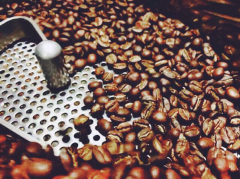
The history of coffee. How much do you know about the history of coffee?
When we enjoy coffee, most of the time we just think of it as a drink, a different, unique, refreshing drink, but seldom think about it: what's the big thing about a small coffee? Just because coffee is astonishingly famous, it is the second largest export product in the world after oil. Since it was recognized and first eaten by human beings, it has been used for the first time.
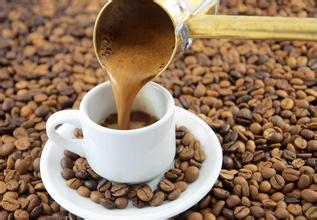
Boutique coffee Rwanda coffee origin Rwanda coffee practice
Rwandans have been growing coffee since colonial times, but until 1999, its products were still classified as below Class C and were not popular in the global market. The reason for the poor quality is that farmers do not have a fixed procedure for washing coffee beans and do not process coffee fruits according to specifications in time. Buyers buy coffee beans at $0.33 per kilogram, and farmers keep warm by the meagre profits earned at low prices.
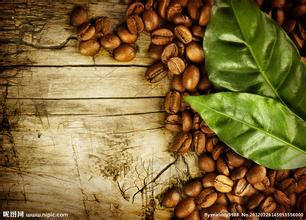
Boutique Coffee Rwanda Coffee Manor 1756 members small farmers
Rwandans have been growing coffee since colonial times, but until 1999, its products were still classified as below Class C and were not popular in the global market. The reason for the poor quality is that farmers do not have a fixed procedure for washing coffee beans and do not process coffee fruits according to specifications in time. Buyers buy coffee beans at $0.33 per kilogram, and farmers keep warm by the meagre profits earned at low prices.
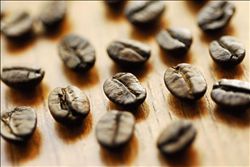
Fine coffee Rwanda Coffee introduces the characteristics of Rwanda Coffee
Rwandans have been growing coffee since colonial times, but until 1999, its products were still classified as below Class C and were not popular in the global market. The reason for the poor quality is that farmers do not have a fixed procedure for washing coffee beans and do not process coffee fruits according to specifications in time. Buyers buy coffee beans at $0.33 per kilogram, and farmers keep warm by the meagre profits earned at low prices.

Boutique coffee Rwanda coffee flavor red apple, cherry, cinnamon, honey
Rwandans have been growing coffee since colonial times, but until 1999, its products were still classified as below Class C and were not popular in the global market. The reason for the poor quality is that farmers do not have a fixed procedure for washing coffee beans and do not process coffee fruits according to specifications in time. Buyers buy coffee beans at $0.33 per kilogram, and farmers keep warm by the meagre profits earned at low prices.
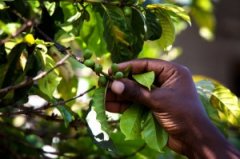
Boutique coffee Rwanda coffee producing area in the western province of Lutexilo
Rwandans have been growing coffee since colonial times, but until 1999, its products were still classified as below Class C and were not popular in the global market. The reason for the poor quality is that farmers do not have a fixed procedure for washing coffee beans and do not process coffee fruits according to specifications in time. Buyers buy coffee beans at $0.33 per kilogram, and farmers keep warm by the meagre profits earned at low prices.

Fine coffee Rwanda coffee processing method Processing method Washing, elevated shelf drying
Rwandans have been growing coffee since colonial times, but until 1999, the product was classified as below grade C and was not available on the global market. The reason for the poor quality is that farmers do not have a fixed procedure for cleaning coffee beans, and they do not process coffee fruits according to specifications in time. Buyers pay $0.33 a kilo for coffee beans, farmers keep warm on the meager margins they earn at low prices
Rwanda Coffee
Global coffee producing area-since the 1920s, Rwanda Arabica coffee grown in Rwanda has been famous for its unique fruit sweetness and rich grass aroma. In recent years, the government of Rwanda has taken positive measures to vigorously promote coffee production, set up coffee production cooperatives in various places, and give technical guidance and financial support to farmers, so that coffee production can be achieved.

The characteristics of Rwandan coffee
Since the 1920s, Arabica coffee grown in Rwanda has been famous for its unique fruit sweetness and rich grass aroma. In recent years, the Rwandan government has taken positive measures to vigorously promote coffee production, set up coffee production cooperatives in various places, and give technical guidance and financial support to farmers, so that coffee production has made considerable progress. From Rwanda.
Coffee producing area African Rwanda boutique coffee beans
Global coffee producing area-since the 1920s, Rwanda Arabica coffee grown in Rwanda has been famous for its unique fruit sweetness and rich grass aroma. In recent years, the government of Rwanda has taken positive measures to vigorously promote coffee production, set up coffee production cooperatives in various places, and give technical guidance and financial support to farmers, so that coffee production can be achieved.
High-quality coffee beans from global coffee producing area Rwanda
Rwanda Coffee Global Coffee producer-since the 1920s in Rwanda, Arabica coffee grown in Rwanda (Rwanda) has been famous for its unique fruit sweetness and strong grass aroma. In recent years, the Rwandan government has taken positive measures to vigorously promote coffee production, set up coffee production cooperatives in various places, and give technical guidance and financial support to farmers.

The introduction to coffee roasting recommends the complete Book of Coffee self-baking.
When the author published the first edition of this book in 1996, roasting coffee beans at home was something that only tireless coffee addicts would do. At that time, roasting coffee beans was a very difficult thing to master, and roasters had to work hard to find a way to roast coffee beans to a moderate brown. Today, individuals still roast coffee beans at home.

A brief introduction to the introduction to Coffee roasting, the complete Book of Coffee self-baking
When the author published the first edition of this book in 1996, roasting coffee beans at home was something that only tireless coffee addicts would do. At that time, roasting coffee beans was a very difficult thing to master, and roasters had to work hard to find a way to roast coffee beans to a moderate brown. Today, individuals still roast coffee beans at home.